Thailand Cannabis Regulations: Medical Rules and Smoking Ban
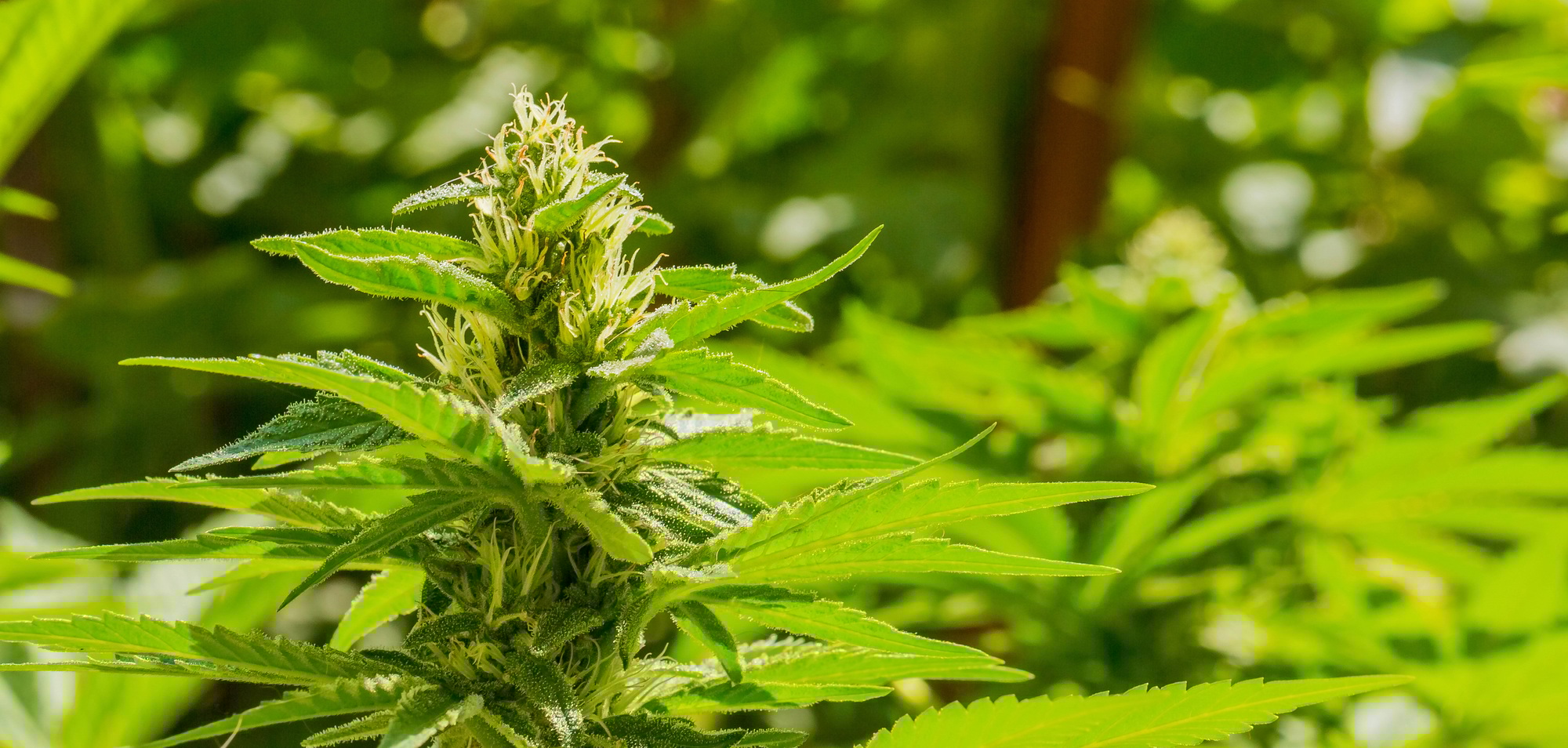
Cannabis plants in a field
Thailand cannabis regulations changed dramatically in 2025. The government now requires medical prescriptions for all cannabis use and forbids smoking in most commercial cannabis establishments. After the 2022 decriminalization, cannabis usage rose sharply. In response, authorities introduced tighter rules to reinforce medical oversight and prevent misuse.
Licensing, Sales, and Distribution Under Control
Strict Cannabis Licensing Requirements in Thailand
Thailand’s new cannabis regulations require all businesses to obtain licenses for growing, exporting, selling, or processing cannabis. The government enforces these rules to ensure accountability throughout the cannabis supply chain—from cultivation to sale.
Authorities also require license holders to track and report cannabis quantities, sources, and purposes. This proactive monitoring helps prevent illegal distribution and supports regulatory compliance.
Banned Sales Channels in Thailand’s Cannabis Market
Thailand prohibits cannabis sales through vending machines, mobile apps, and websites. These rules eliminate unsupervised sales and promote controlled, in-person transactions. Only certified vendors can sell cannabis to prescription holders, reinforcing the product’s medical nature.
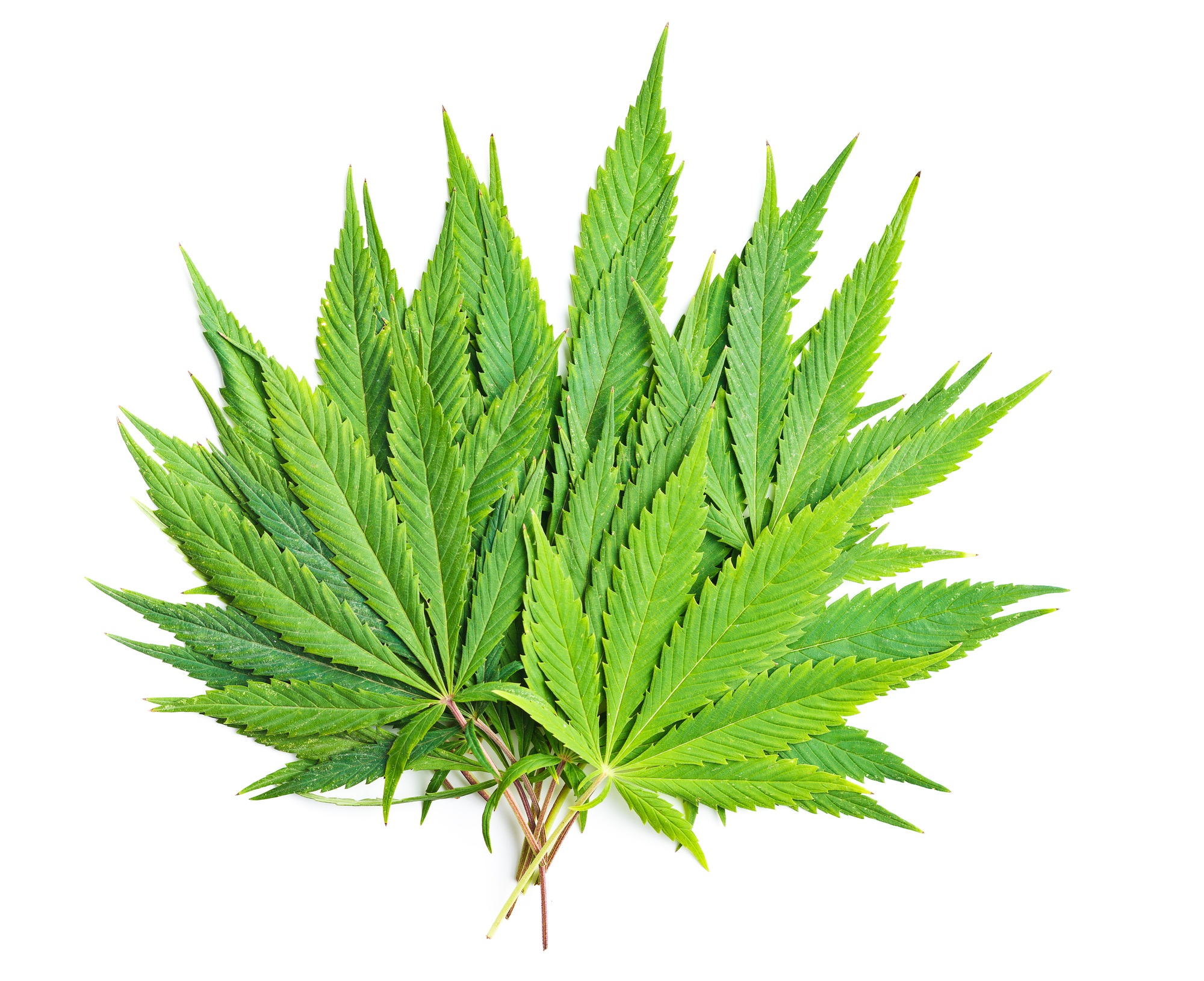
Green cannabis leaves.
Consumption and Medical Use Regulated by Law
Cannabis Smoking in Thailand Requires Medical Supervision
Thailand cannabis regulations prohibit smoking cannabis in most business venues. Only patients under direct supervision from certified professionals—such as Thai traditional medicine doctors or dentists—may smoke cannabis. This provision ensures therapeutic use happens in a safe and controlled environment.
Cannabis Prescription Limits in Thailand
Consumers need a valid prescription to purchase cannabis in Thailand. Additionally, the law limits purchases to a 30-day supply. This rule helps prevent hoarding and ensures regular medical checkups for cannabis patients.
Thailand cannabis regulations include a complete advertising ban across all media. The government aims to reduce the social normalization of cannabis and discourage recreational interest, particularly among youth.
Why Thailand Changed Its Cannabis Policy
From 2019 to 2024, habitual cannabis users in Thailand increased from 350,000 to more than 700,000. The 2022 decriminalization played a key role in this rise. Recognizing public health risks, authorities responded with stricter Thailand cannabis regulations that refocus cannabis use on therapeutic needs.
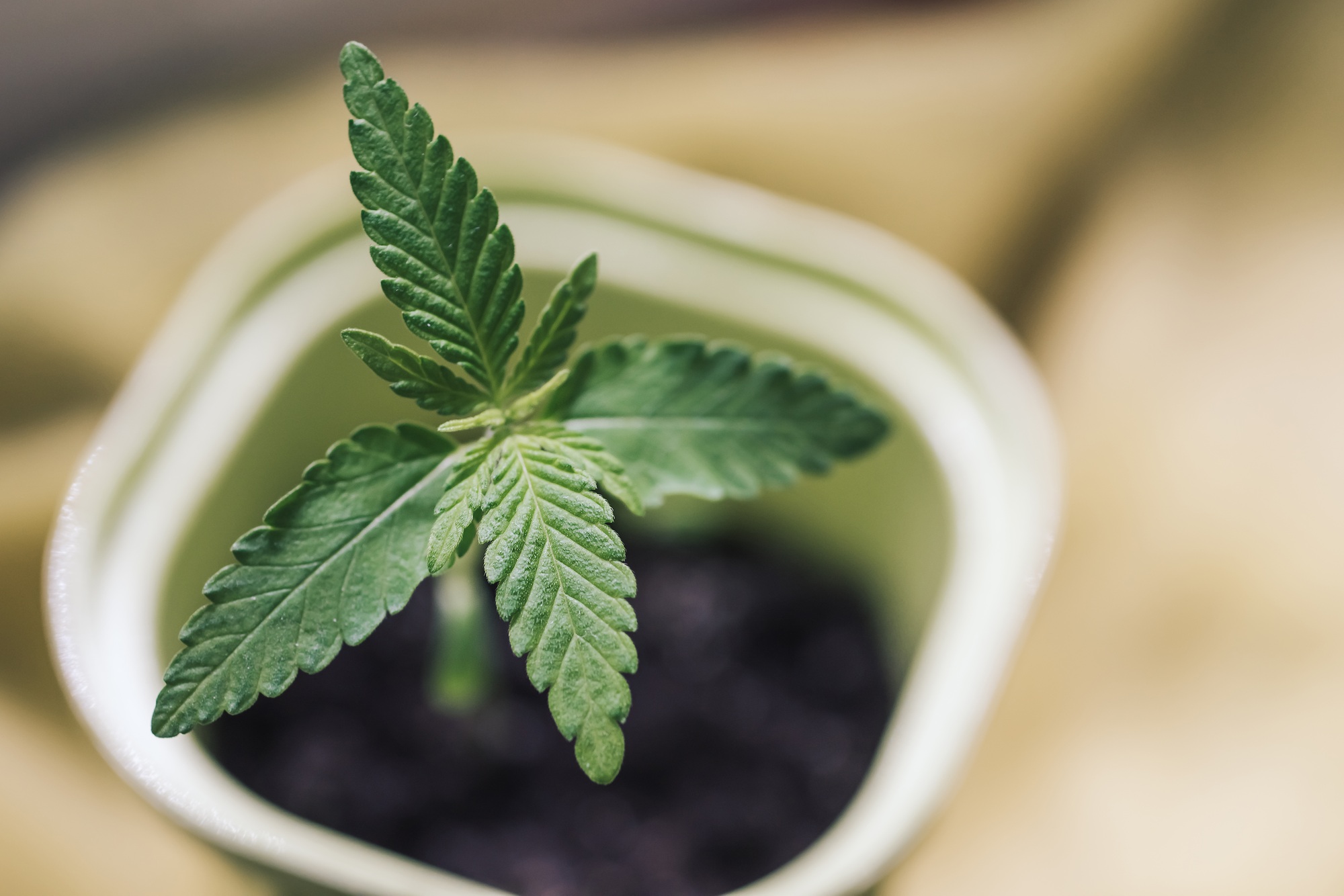
Young leaves of cannabis mariuana in a pot close-up, lifestyle. Growing medical cannabis
Conclusion: Thailand Cannabis Regulations Emphasize Medical Use
Thailand cannabis regulations now define cannabis strictly as a medical product. By requiring prescriptions, banning recreational smoking, and outlawing advertising, the country has created a robust legal framework. These changes align cannabis policy with healthcare goals while maintaining access to culturally rooted treatments.